

Living in Mesa, Arizona: Space, Sunshine, and a Strong Sense of Community
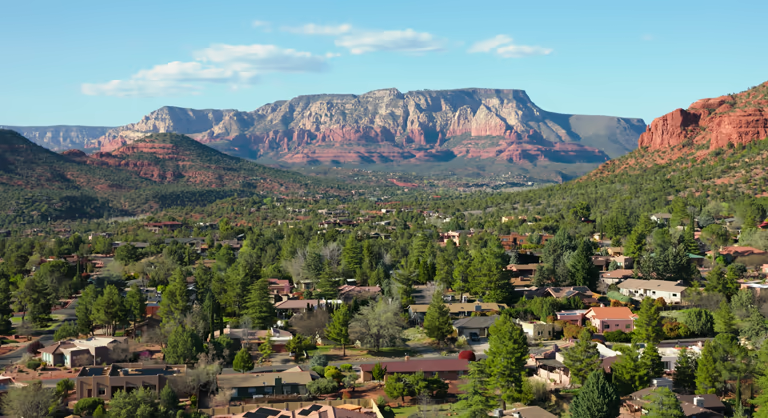
Mesa, Arizona, offers a blend of expansive neighborhoods, abundant sunshine, and a lifestyle that balances outdoor living with urban convenience. As one of the largest cities in the Phoenix metropolitan area, Mesa offers ample space to spread out while maintaining a strong community feel. Residents are drawn to its wide streets, diverse housing options, and access to parks, cultural attractions, and employment centers. The city supports a pace of life that feels approachable and grounded, even with its size and growth. From established neighborhoods with mature landscaping to newer communities designed for modern living, Mesa appeals to people at many stages of life. Its location in the East Valley places residents close to major highways, regional shopping, and outdoor recreation, while still offering a sense of separation from the metro area’s busiest areas. Mesa’s commitment to arts, education, and public spaces continues to shape a city that feels both livable and forward-focused.
What Is the History of Mesa, Arizona?
Mesa’s history is deeply rooted in ingenuity, agriculture, and steady expansion. Long before modern development, the area was home to the Hohokam people, who built an extensive canal system that supported farming in the desert. Those early canals laid the foundation for the region’s long-standing relationship with water management and agriculture. In the late 1800s, Mormon settlers arrived and established Mesa as a farming community, drawn by the fertile land and irrigation potential. The city was officially incorporated in 1883, growing around citrus groves, cotton fields, and small family farms.
Throughout the early 20th century, Mesa remained primarily agricultural, while nearby Phoenix urbanized more rapidly. This slower pace of growth allowed Mesa to develop a strong local identity centered on community institutions, churches, and schools. World War II and the postwar era marked a turning point, as population growth and infrastructure improvements connected Mesa more closely to the broader Valley. The expansion of roadways and utilities supported new neighborhoods and commercial development.
By the late 20th century, Mesa evolved into a major city in its own right. Technology, healthcare, aerospace, and education became central to its economy, while cultural investments such as museums, theaters, and public art strengthened its civic life. Today, Mesa stands as a city shaped by its agricultural beginnings and its commitment to thoughtful growth. Historic downtown areas, preserved canals, and long-established neighborhoods reflect its past, while ongoing development continues to support a diverse and growing population.
Homes for Sale
What Is Life Like in Mesa, Arizona?
Life in Mesa is defined by space, sunshine, and access to everyday amenities. Residents enjoy wide streets, generous parks, and a layout that encourages outdoor activity year-round. The city offers an appealing mix of suburban comfort and urban amenities, with shopping centers, medical facilities, and dining options conveniently spread across the area. Downtown Mesa serves as a cultural anchor, hosting arts venues, local restaurants, and community events that bring residents together.
Outdoor recreation plays a central role in daily life. Mesa is home to an extensive park system, golf courses, and trail access that support walking, cycling, and hiking. Nearby desert preserves and mountain areas provide opportunities for weekend exploration without long travel times. Many neighborhoods feature community parks, playgrounds, and green spaces that encourage connection and active living.
Mesa also supports a strong sense of community through events, libraries, and recreation programs. Seasonal festivals, farmers’ markets, and cultural celebrations reflect the city’s diversity and local pride. Dining options range from family-owned eateries to national favorites, offering variety without the congestion found in denser urban cores. For many residents, Mesa offers a comfortable routine where work, leisure, and community involvement fit together naturally, supported by reliable infrastructure and consistent sunshine.
What Are the Best Neighborhoods in Mesa, Arizona?
Mesa features a wide range of neighborhoods, each with its own character, housing styles, and lifestyle appeal. From established communities with long-standing roots to newer developments designed for modern living, the city offers options that suit a wide range of preferences.
Las Sendas: Located in the northeastern part of the city, Las Sendas is known for its master-planned design and scenic desert surroundings. The neighborhood offers access to hiking and biking trails, golf amenities, and well-maintained common areas. Homes range from townhomes to larger single-family properties, many with views of the surrounding landscape. Residents appreciate the balance of outdoor access and proximity to everyday services.
Dobson Ranch: One of Mesa’s most established communities, Dobson Ranch features mature trees, lakes, and a strong neighborhood presence. The area includes a mix of single-family homes and townhomes, as well as parks, walking paths, and community facilities. Its central location provides convenient access to shopping, schools, and major roadways, making it a popular choice for long-term residents.
Eastmark: Eastmark is a newer master-planned community in southeast Mesa that emphasizes modern design and community engagement. The neighborhood includes schools, parks, event spaces, and a growing commercial core. Homes are designed with contemporary layouts, and the area is known for organized activities and shared amenities that support an active neighborhood atmosphere.
Red Mountain Ranch: Situated near Red Mountain, this neighborhood offers golf-course living, scenic views, and a quiet residential environment. Homes are well-spaced, and the community features walking paths and recreational facilities. Residents enjoy easy access to outdoor activities and major routes leading into the broader Phoenix area.
Alta Mesa: Alta Mesa is a well-established community in northeast Mesa known for its golf course, wide streets, and varied home styles. The neighborhood offers a suburban feel with convenient access to shopping and dining. Its layout and amenities appeal to residents seeking stability and long-term livability.
Together, these neighborhoods highlight Mesa’s variety and flexibility. Each offers a distinct environment, yet all share access to the city’s services, climate, and community resources.
What Schools and Education Options Are Available in Mesa, Arizona?
Mesa offers a wide range of educational options that support learners from early childhood through higher education. Public education is primarily served by Mesa Public Schools, one of the largest school districts in Arizona. The district includes numerous elementary, junior high, and high schools throughout the city, offering academic programs, arts education, athletics, and career-focused pathways. Many schools emphasize community involvement and provide extracurricular opportunities that support student development beyond the classroom.
Charter schools and private institutions add further choice for families seeking alternative educational models. These schools offer specialized curricula, smaller class sizes, or faith-based instruction, allowing families to select options that align with their educational priorities. Early childhood education and preschool programs are also widely available across the city.
Higher education plays a significant role in Mesa’s identity. Mesa Community College serves as a major educational hub, offering associate degrees, workforce training, and transfer programs. The college maintains strong ties to local industries and universities. Mesa is also home to the Polytechnic campus of Arizona State University, which focuses on innovation, engineering, and applied sciences. These institutions provide residents with access to advanced education without leaving the city. Together, Mesa’s educational resources support lifelong learning and workforce development.
What Is the Weather Like in Mesa, Arizona?
Mesa experiences a desert climate characterized by abundant sunshine and low annual precipitation. The city averages approximately 300 sunny days each year, with about 9 inches of rainfall and no measurable annual snowfall. This consistent weather supports outdoor activity and predictable seasonal patterns.
Summers are hot, with daytime temperatures frequently reaching the low 100s. While the heat is intense, low humidity and widespread air conditioning make daily routines manageable. Early mornings and evenings are commonly used for outdoor exercise and social activities during the summer months. Monsoon season brings brief periods of increased humidity and afternoon storms, typically in July and August.
Fall and spring are widely considered the most comfortable seasons. Temperatures during these months range from the 70s to the 90s, making them ideal for outdoor recreation, events, and travel. Clear skies and mild evenings mark these seasons. Winter in Mesa is mild and dry, with daytime temperatures often in the 60s and 70s. Cooler nights provide contrast without harsh conditions. Overall, Mesa’s climate supports year-round outdoor living and remains a key factor in its appeal.
How Easy Is Transportation and Travel in Mesa, Arizona?
Mesa offers convenient transportation options that support both local travel and regional connectivity. The city is served by a network of major roadways, including U.S. Route 60 and Loop 202, which connect Mesa to other parts of the Phoenix metropolitan area. These routes make commuting to nearby cities and employment centers straightforward and efficient.
Public transportation is provided by Valley Metro, which operates bus routes and light rail. The light rail connects parts of Mesa to Tempe, Phoenix, and surrounding areas, offering an alternative to driving for commuting and events. Park-and-ride facilities provide flexible transportation options for residents who combine driving with transit.
Air travel is easily accessible, with Phoenix-Mesa Gateway Airport located in the southeastern part of the city. Phoenix-Mesa Gateway Airport offers domestic flights and is a convenient option for regional travel. Phoenix Sky Harbor International Airport is also within reasonable driving distance and offers extensive national and international service. With its road network, transit options, and nearby airports, Mesa supports both daily mobility and long-distance travel with ease.
Are You Ready to Call Mesa Home?
Mesa, Arizona, offers space to live, room to grow, and a climate that supports an active, outdoor-oriented lifestyle. Its neighborhoods reflect a wide range of preferences, from established communities to modern master-planned developments. Strong schools, higher education options, and accessible transportation add to the city’s long-term appeal. Mesa continues to evolve while maintaining a grounded sense of community and livability. For those considering a move to the East Valley, Mesa provides a setting where daily life feels manageable, connected, and full of opportunity. When you are ready to explore homes in Mesa or learn more about specific neighborhoods, reach out to me to take the next step.