

Buying a home often starts with excitement and quickly turns into questions about numbers, limits, and long-term comfort. The idea of affordability goes far beyond what a lender is willing to approve. It involves understanding how a mortgage fits into everyday life, future goals, and personal peace of mind. Some buyers want maximum purchasing power, while others prefer some breathing room in their monthly budget. Both approaches are valid, and the right answer depends on a thoughtful look at income, expenses, credit, and lifestyle priorities. A clear affordability framework helps turn a big decision into a confident one. When buyers understand how lenders calculate limits and how those numbers intersect with real life, the home search becomes focused and far less stressful. The goal is not to stretch to the edge of approval, but to find a price range that supports stability, flexibility, and enjoyment of homeownership for years to come.
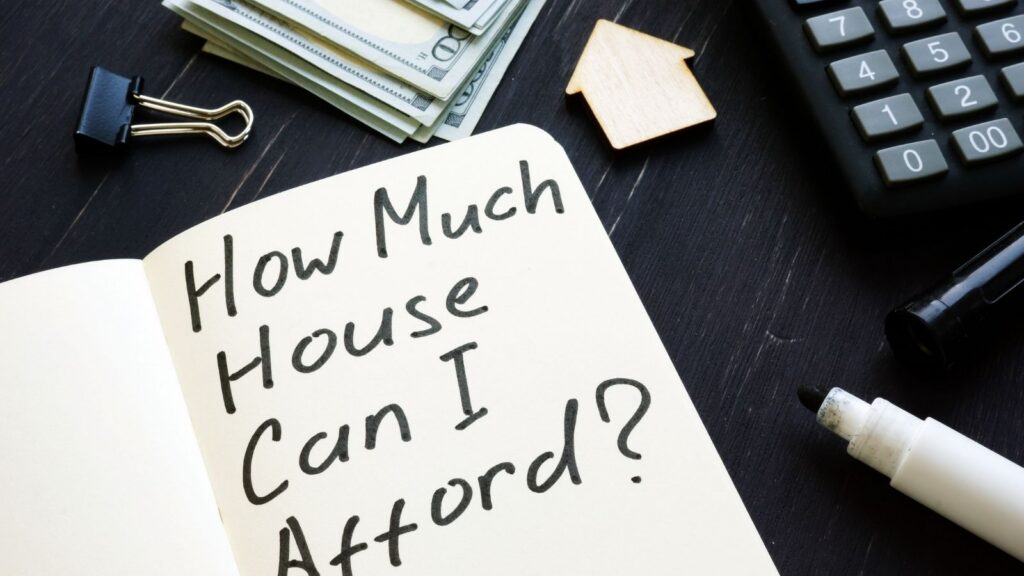
How Much House Can I Afford?
Buying a home often starts with excitement and quickly turns into questions about numbers, limits, and long-term comfort. The idea of affordability goes far beyond what a lender is willing to approve. It involves understanding how a mortgage fits into everyday life, future goals, and personal peace of mind. Some buyers want maximum purchasing power, while others prefer some breathing room in their monthly budget. Both approaches are valid, and the right answer depends on a thoughtful look at income, expenses, credit, and lifestyle priorities. A clear affordability framework helps turn a big decision into a confident one. When buyers understand how lenders calculate limits and how those numbers intersect with real life, the home search becomes focused and far less stressful. The goal is not to stretch to the edge of approval, but to find a price range that supports stability, flexibility, and enjoyment of homeownership for years to come.
How Do Lenders Determine How Much House I Can Afford?
Lenders determine how much house a buyer can afford by analyzing income, existing debts, credit profile, and overall financial stability. The process starts with gross monthly income, which includes wages, salaries, bonuses, commissions, and, in some cases, verified additional income such as child support or retirement payments. From there, lenders compare income to monthly obligations to assess risk and repayment ability.
A key calculation used is the debt-to-income ratio, commonly referred to as DTI. This compares total monthly debt payments to gross monthly income. Lenders typically consider two numbers: the front-end ratio (housing costs) and the back-end ratio (all recurring debts). Housing costs typically include principal, interest, property taxes, homeowners insurance, and any applicable homeowners association fees.
Credit history also plays an important role. A stronger credit profile often allows for more favorable loan terms, thereby increasing purchasing power by lowering the interest rate. Lenders also review employment history to confirm income stability, usually preferring at least two years of consistent employment or documented income patterns.
Assets matter as well. Savings accounts, retirement funds, and other liquid resources help demonstrate financial responsibility and reassure a buyer that they can manage unexpected expenses. Cash reserves after closing may be required, especially for certain loan programs.
While lender calculations establish a maximum approval amount, they do not account for personal comfort levels or future financial plans. Approval is a guideline, not a recommendation. Buyers who understand how these calculations work are better prepared to set their own limits and shop with clarity.
What Role Does Debt-to-Income Ratio Play in Affordability?
Debt-to-income ratio plays a central role in determining home affordability because it measures how much of a buyer’s income is already committed to monthly obligations. Lenders rely on this ratio to assess whether taking on a mortgage is financially reasonable given existing debts. A lower ratio generally signals stronger financial health, while a higher ratio suggests tighter monthly cash flow.
The front-end DTI focuses solely on housing expenses. This includes the expected mortgage payment, property taxes, homeowners’ insurance, and any association dues. Many lenders prefer this ratio to stay below a certain threshold, often around the low thirties, although exact limits vary by loan type and borrower profile.
The back-end DTI is more comprehensive. It includes all recurring monthly debts in addition to housing costs. Student loans, car loans, credit card minimums, and other installment payments are added together and divided by gross monthly income. Many conventional loans look for this ratio to remain under the low to mid-forties, though some programs allow higher ratios with strong compensating factors.
A higher DTI does not always mean denial. Strong credit, significant savings, or a larger down payment can offset a higher ratio. However, a higher DTI often results in higher interest rates or reduced loan options, which can impact long-term affordability.
From a buyer’s perspective, DTI is a useful self-check. Even if a lender approves a higher ratio, buyers should consider how that monthly obligation feels alongside groceries, utilities, transportation, healthcare, and lifestyle spending. A comfortable DTI leaves room for savings and flexibility, supporting a more sustainable and enjoyable homeownership experience.
How Does My Credit Score Affect How Much I Can Afford?
A credit score affects affordability by influencing loan eligibility, interest rates, and overall borrowing costs. While income determines how much a buyer can potentially borrow, credit determines how expensive that borrowing will be over time. Even small differences in interest rates can significantly change monthly payments and total loan costs.
Higher credit scores generally qualify for lower interest rates. A lower rate reduces the monthly mortgage payment, allowing a buyer to afford a higher purchase price without increasing monthly strain. Over the life of the loan, this can translate into tens of thousands of dollars in savings. Lower scores often lead to higher rates, reducing purchasing power and increasing long-term costs.
Credit scores also impact loan program options. Some loan types have minimum credit score requirements, and certain programs with favorable terms may be available only to buyers with stronger credit profiles. Buyers with lower scores may face additional requirements such as larger down payments or higher mortgage insurance premiums.
Beyond the score itself, lenders review the credit report for patterns. Payment history, outstanding balances, length of credit history, and recent credit activity all matter. Late payments, collections, or high credit utilization can raise concerns even if the score meets minimum thresholds.
Improving credit before buying can meaningfully expand affordability. Paying down balances, making on-time payments, and avoiding new credit inquiries in the months leading up to a purchase can help strengthen a profile. Buyers who understand the link between credit and affordability are better positioned to time their purchase and maximize value.
How Do Down Payments Change What I Can Afford?
Down payments directly affect affordability by influencing loan size, monthly payments, and overall loan terms. A larger down payment reduces the amount borrowed, lowering the monthly mortgage payment and often improving loan terms. This can make a higher-priced home more manageable within a buyer’s budget.
With a smaller loan balance, interest costs decrease over time. This improves long-term affordability and builds equity faster. In addition, larger down payments may eliminate the need for private mortgage insurance, depending on the loan type. Removing this monthly expense can significantly reduce housing costs.
Smaller down payments can still support homeownership, especially with programs designed for first-time buyers or moderate incomes. These options allow buyers to enter the market sooner, though they typically come with higher monthly payments and additional costs such as mortgage insurance. For some buyers, the tradeoff is worthwhile to secure a home without waiting years to save more.
The size of the down payment also affects lenders’ perception of risk. A higher upfront investment signals financial stability and commitment, which can lead to more favorable interest rates. In competitive markets, stronger down payments may also make offers more appealing to sellers.
Affordability is not about choosing the largest down payment possible at the expense of emergency savings. Buyers should balance upfront investment with the need for reserves after closing. A well-planned down payment strategy supports both immediate purchase goals and long-term financial security.
How Do Interest Rates Impact Monthly Affordability?
Interest rates impact affordability by directly shaping monthly mortgage payments and total borrowing costs. Even a small change in rates can significantly alter what a buyer can comfortably afford. Higher rates increase monthly payments, reducing purchasing power, while lower rates stretch affordability further.
For example, a modest rate increase can raise the monthly payment enough to push a home outside a buyer’s preferred budget range. Over the life of the loan, that same increase compounds into a much higher total cost. Conversely, lower rates reduce interest expense and allow more of each payment to go toward principal.
Rates vary based on market conditions, loan type, credit profile, and down payment. Buyers with strong credit and stable finances often qualify for better rates, reinforcing the connection between preparation and affordability. Loan term also matters. Shorter terms typically have lower rates but higher monthly payments, while longer terms offer lower payments with higher total interest.
Interest rates can change quickly, making timing an important consideration. Locking a rate at the right moment can protect affordability during the closing process. Buyers who shop with a rate buffer in mind are better positioned if rates fluctuate before final approval.
Affordability should be evaluated using realistic rate scenarios rather than ideal ones. Planning for payments at slightly higher rates can provide peace of mind and reduce future stress. Understanding how rates affect affordability helps buyers focus on homes that remain comfortable across changing market conditions.
What Ongoing Homeownership Costs Should I Factor In?
Affordability extends beyond the mortgage payment to include ongoing homeownership costs that affect monthly and annual budgets. Property taxes are a major factor and vary by location, often increasing over time. These costs are usually included in monthly payments, but buyers should understand how local tax rates impact long-term affordability.
Homeowners insurance protects the property and is required by lenders. Premiums depend on location, coverage levels, and property characteristics. In some areas, additional coverage, such as flood or wind insurance, may be necessary, adding to monthly expenses.
Maintenance and repairs are another critical consideration. Homes require regular upkeep, from routine servicing to unexpected repairs. Budgeting a portion of income for maintenance helps prevent financial strain when issues arise. Older homes may require more maintenance, while newer homes may offer lower short-term costs.
Utilities often change with home size and efficiency. Heating, cooling, water, and electricity costs can be significantly higher in larger properties. Homeowners association fees, if applicable, should also be factored into monthly affordability calculations.
Long-term affordability depends on acknowledging these costs upfront. Buyers who account for the full picture avoid surprises and enjoy a more stable ownership experience. A home that fits comfortably within a complete budget supports both financial confidence and everyday comfort.
How Much Should I Spend Versus What I'm Approved For?
The amount a buyer is approved for represents a maximum limit, not a recommended spending target. Approval reflects a lender’s belief about a borrower’s ability to repay based on financial metrics, but it does not account for lifestyle preferences or personal comfort. Many buyers choose to spend less than the approved amount to maintain flexibility.
Spending below the maximum can provide room for savings, travel, hobbies, and future goals. It also offers a buffer against unexpected expenses or income changes. For buyers who value financial breathing room, this approach often leads to greater satisfaction and lower stress.
Some buyers are comfortable spending closer to the approved amount, especially if they prioritize location, space, or long-term investment potential. In these cases, careful budgeting and stable income are essential. Understanding tradeoffs helps buyers make informed decisions aligned with priorities.
Affordability is personal. Monthly comfort varies depending on lifestyle, family size, and financial goals. Buyers should consider how a housing payment fits alongside other priorities, not just whether it fits lender guidelines.
Intentionally choosing a price range empowers buyers. It turns the approval number into a tool rather than a constraint, guiding the search toward homes that support both present enjoyment and future security.
How Can I Estimate My Comfortable Monthly Payment?
Estimating a comfortable monthly payment starts with understanding current spending habits and financial goals. Buyers should review their monthly income and expenses to determine how much room there is for housing without sacrificing savings or quality of life. This self-assessment creates a personalized affordability benchmark.
A common approach is to decide on a target percentage of income for housing, often lower than lender limits. This leaves space for other obligations and discretionary spending. Buyers should include all housing-related costs, not just the mortgage, to capture a realistic monthly figure.
Future considerations matter as well. Planned lifestyle changes, family needs, or career transitions can affect comfort levels. Building in a margin for these changes supports long-term stability.
Online affordability calculators can provide helpful estimates, but they should be used as starting points rather than final answers. Personal budgets offer deeper insight. Buyers who align monthly payments with values and priorities enjoy a more sustainable ownership experience.
Confidence comes from clarity. When buyers define comfort on their own terms, the home search becomes focused, efficient, and grounded in long-term well-being.
How Do I Use Affordability to Guide My Home Search?
Affordability guides the home search by setting clear boundaries and expectations. A defined price range helps buyers focus on properties that truly fit their financial picture, reducing time spent on unsuitable options. This clarity streamlines decision-making and builds confidence.
Knowing affordability also strengthens the offer strategy. Buyers who understand their limits can act decisively when the right home appears. They are better prepared to compete without overextending financially. This balance supports both successful purchases and long-term satisfaction.
Affordability awareness encourages thoughtful tradeoffs. Buyers may prioritize location, size, features, or condition. Understanding limits helps frame these choices constructively rather than emotionally.
The home search becomes more enjoyable when guided by realistic numbers. Instead of chasing extremes, buyers explore options that align with comfort and stability. This approach leads to homes that support daily life and future goals.
Affordability is not restrictive. It is empowering. It transforms the process into one rooted in confidence, clarity, and lasting value.
Are You Ready to Define Your Home Buying Budget?
Understanding how much house you can afford is one of the most important steps in the buying process. It brings clarity to the search, supports confident decisions, and helps align financial goals with lifestyle priorities. When buyers look beyond approval numbers and focus on true comfort, homeownership becomes more sustainable and rewarding. If you are ready to explore price ranges, monthly payment scenarios, or next steps toward buying a home, reach out to me. Thoughtful guidance and clear information can help turn affordability into a strong foundation for your next move.