

If you live in Gilbert and you’ve caught wind of the data center conversation happening at Town Hall, you’re not the only one who isn’t quite sure what it means for your street, your HOA, or your home’s value. I’ve had more than one client bring this up in the last few weeks, usually with the same question: “Is this going to affect me?”
So let’s talk about it plainly, the way I’d explain it to a friend over coffee in Heritage District.
WHAT'S ACTUALLY HAPPENING
Gilbert is one of several Arizona communities working through new zoning rules for data centers, and this month the town has been moving that conversation through its formal approval process. The proposed rules are notably strict compared to what other Valley cities have adopted, which tells you something about how seriously Gilbert is taking this.
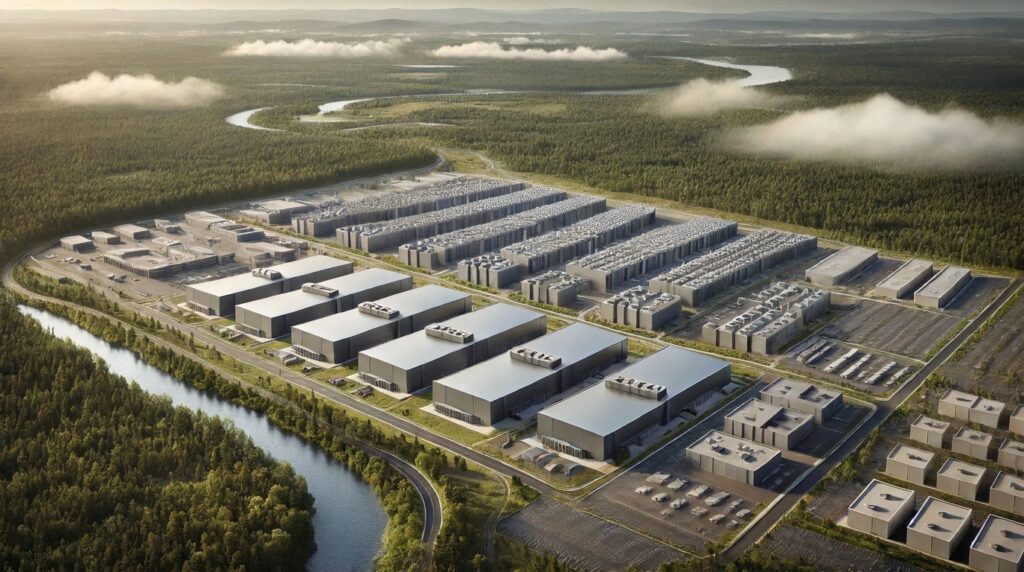
Here’s what’s on the table. Data centers would be limited to industrial zoning districts only, meaning they can’t pop up next to a residential subdivision. New facilities would need to sit at least 650 feet from any residentially zoned property. And builders would be prohibited from using the town’s drinking water supply to cool the buildings, which has been one of the biggest concerns residents in other cities have raised. On top of that, there are proposed standards around sound dampening, building height, landscaping, and overall design.
For context, Gilbert currently has exactly one data center in town, and there are no new requests pending. This isn’t a case of a facility already being built next to a neighborhood. It’s Gilbert getting ahead of a trend that’s reshaping other parts of the Valley before it becomes a problem here.
WHY GILBERT HOMEOWNERS ARE PAYING ATTENTION
If you’ve watched what’s happened in other Phoenix metro communities, this makes sense. Residents in nearby cities have dealt with construction noise, increased truck traffic, and real questions about water use tied to large data center campuses. Nobody wants to find out after closing that a warehouse-sized server farm is going up a quarter mile from their backyard.
That’s really what this zoning update is about: giving Gilbert a rulebook before the demand shows up, instead of reacting to it after the fact. A 650-foot buffer and an industrial-only zoning requirement are meaningful protections for anyone living in or buying into a residential neighborhood here.
WHAT THIS MEANS FOR YOUR PROPERTY VALUE
Here’s the honest answer: for the vast majority of Gilbert homeowners, these rules are good news, not a red flag. Stricter zoning that keeps industrial-scale development away from residential streets tends to protect value, not threaten it. Buyers relocating to Gilbert, and I talk to a lot of them, consistently tell me predictability and quality of life are why they chose this town over other parts of the East Valley. Rules like this reinforce exactly that reputation.
Where it’s worth paying closer attention is if you own or are considering a property near land currently zoned or being considered for industrial or mixed-use development, particularly along growth corridors. That’s a conversation worth having with someone who knows the zoning map, not just the listing photos.
WHAT I'D ASK YOU TO CONSIDER
I’m an empty nester myself, and a young Nana now, so I understand the pull of wanting to make a big move feel like the right move, not just the fast one. But here’s what I’ve seen play out again and again in Gilbert, Queen Creek, Chandler, Mesa, and San Tan Valley. Sellers who wait for “the perfect season” often end up competing with more listings, not fewer, because everyone else was waiting for the same thing.
If your home is ready and your reasons for moving are real, whether that’s downsizing, relocating for family, or simply starting a new chapter, the data right now supports listing before the holidays rather than after. If you need more time, take it. Just take it because your home or your life needs it, not because you’re waiting on a season that may not actually bring you the advantage you’re picturing.
If you want a straight answer about your specific home, your specific street, and what today’s numbers mean for your timeline, that’s exactly the conversation I’d rather have with you before you decide anything.
WHAT I'D TELL YOU TO DO NEXT
If you’re selling in Gilbert, this is a small but real talking point. Buyers doing their homework appreciate knowing the town is being proactive about protecting residential quality of life, and it’s one more reason Gilbert continues to hold its value even as some other East Valley cities have seen prices soften this year.
If you’re buying, especially if you’re relocating from out of state and don’t yet know which pockets of town sit near industrial or commercial zoning, this is exactly the kind of due diligence I walk clients through before we ever write an offer. It takes ten minutes to check a parcel’s zoning and surrounding land use, and it can save you a much bigger headache down the road.
And if you already own in Gilbert and you’re simply curious what’s zoned around you, ask me. I’ll pull it up for you. No pressure, no pitch, just information you’re entitled to have about the town you live in.
Gilbert’s home prices have held up better than most of the East Valley this year, with the median still sitting in the $600,000s and homes typically moving in under two months. Decisions like this one are part of why. A town that plans ahead is a town that protects what you’ve invested in.
If you have questions about how zoning, new development, or anything else in Gilbert might affect your home’s value, reach out. I’d rather you ask me now than find out later from a neighbor.
Cheri Smith
REALTOR® | eXp Realty
480-298-5551
cherismithrealtor.com
@cherismith.azrealtor